11 Things Horticulturists Say to Never Store in Your Garden Shed
A garden shed has bigger gaps, less insulation, and more rodent access than a garage, and horticulturists say that combination quietly ruins a specific list of things people store there out of habit. This guide covers 11 items to move, the mechanism or expert quote behind each one, and where each item actually belongs instead.
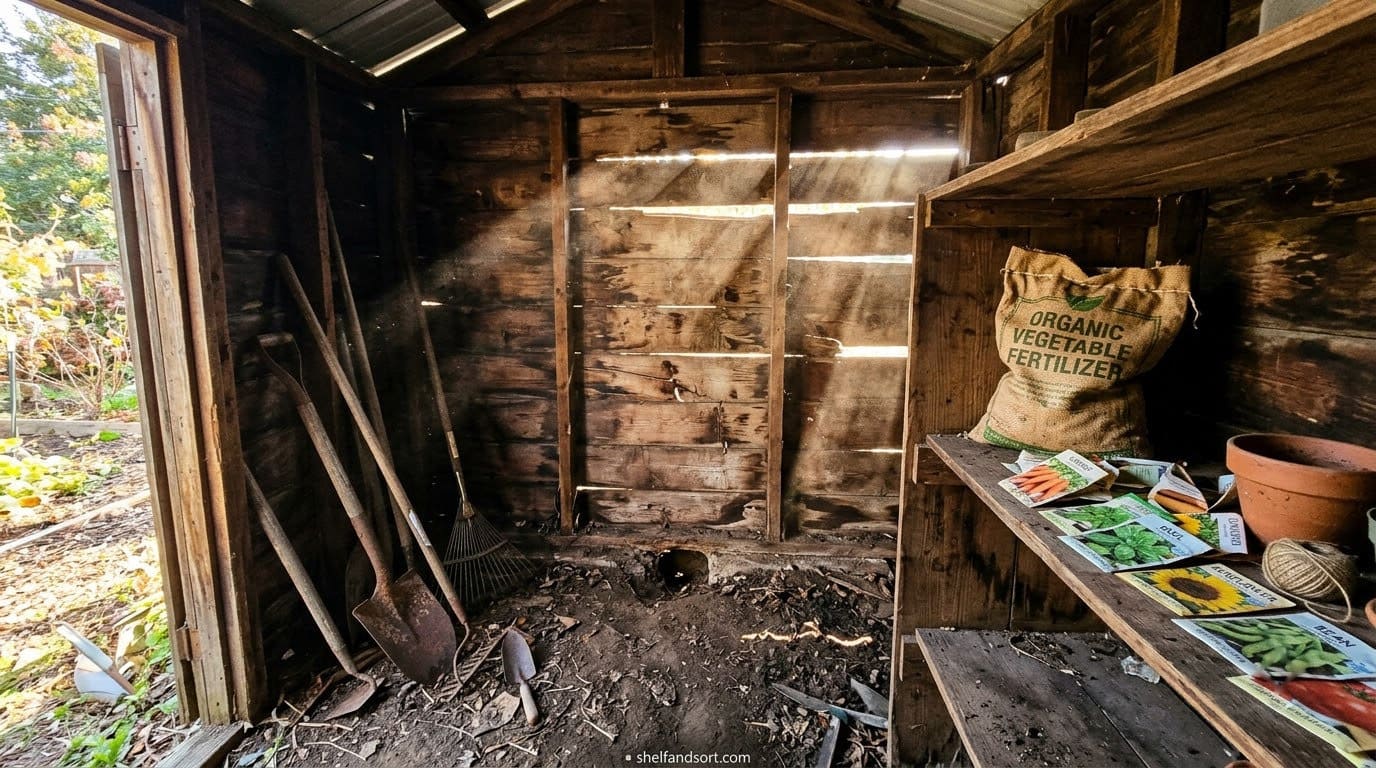
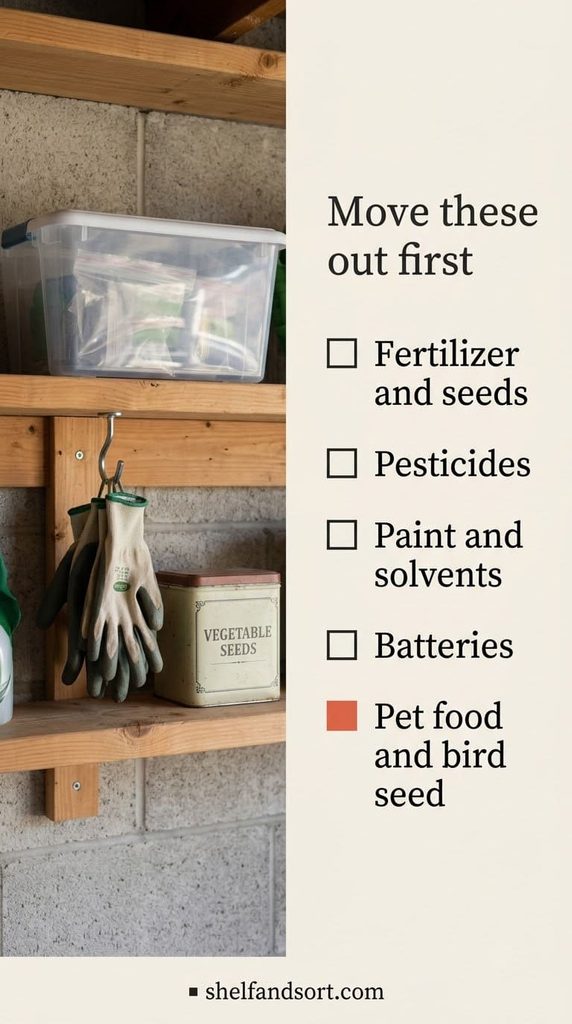
Do not store fertilizer, seeds, pesticides and other garden chemicals, paint and solvents, potting soil and mulch, dormant bulbs and tubers, power equipment batteries, gasoline, gardening gloves and fabric gear, pet food or bird seed, or electronics in a garden shed.
Horticulturist Miranda Niemiec, operations manager at Great Garden Plants, warns that fertilizer in a hot enclosed shed risks spontaneous combustion, and Costa Farms horticulturist Justin Hancock says he keeps seeds, batteries, and gloves out of his own shed for the same reasons: temperature swings, moisture, and pests.
A shed runs hotter, colder, and damper than a garage, with far more ways in for mice. The fix is the same for most of it. Move it to a garage, basement, or interior closet that stays a steadier temperature, and keep anything that smells like food out entirely.
Two questions to ask before anything goes in the shed
You do not need horticulture training to sort this yourself. Two questions cover almost everything.
First, does the item depend on a stable temperature or dry conditions to work or stay intact? Fertilizer, pesticides, seeds, paint, and batteries all do, and a shed swings harder than almost any other storage spot on the property.
Second, does the item smell like food to a rodent, or offer soft material a mouse could nest in? Pet food, bird seed, and fabric gloves all qualify, and a shed has far more entry points than a sealed garage wall.
If either answer is yes, the shed is the wrong spot. Tools, pots, and hardware built for outdoor use can generally stay.
Why a shed is worse than a garage for this
A shed is not just a smaller garage. It is usually uninsulated, often sits directly on gravel or bare ground, and is built from thin wood or metal panels with gaps at the base, the roofline, and every seam.
That construction means a shed swings to more extreme highs and lows than an attached garage, and it gives rodents dozens of possible entry points instead of a single overhead door. Oregon State University Extension’s pesticide storage guidance notes that both freezing and excessive heat cause real chemical breakdown, plastic containers can even melt in a hot shed, and that is before humidity and pests get involved.
So a rule of thumb: if an item would already be borderline in an unheated garage, a shed is worse. Treat the shed as the most extreme storage spot on your property, not a convenient overflow room.
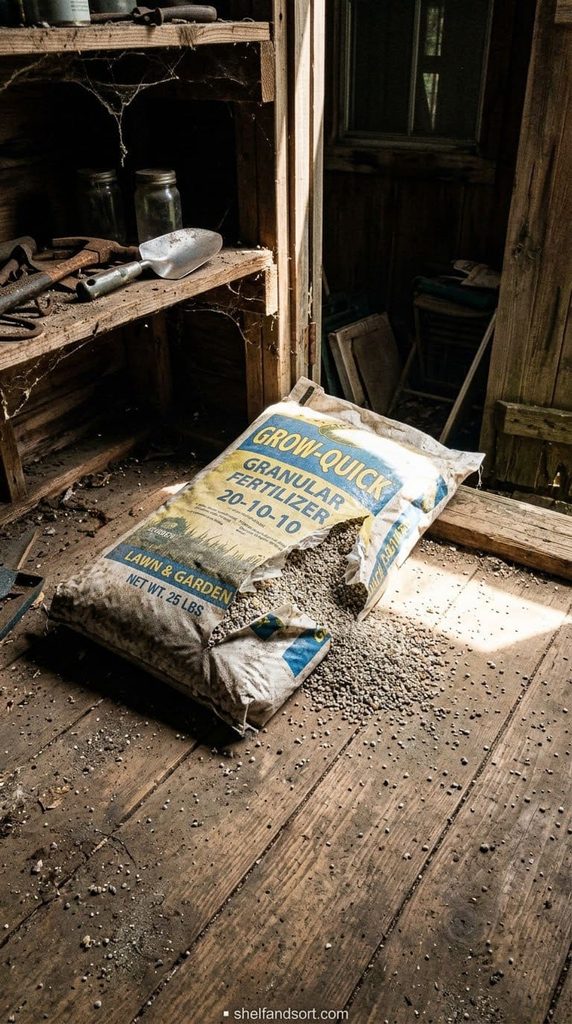
What should you never store in a garden shed?
Here is the full list, the mechanism or expert quote behind each one, and where it goes instead. The detail on each follows below.
| Item | Why the shed ruins it | Where to put it instead |
|---|---|---|
| Fertilizer | Heat and moisture together risk spontaneous combustion | A cool, dry garage shelf or utility closet |
| Seeds | Mold and rot above roughly 70°F and any real humidity | An airtight container indoors |
| Pesticides and garden chemicals | Labels want 40 to 90°F, freezing and heat both degrade them | A locked cabinet at steady room temperature |
| Paint and solvents | Freezes and separates in cold, dries out in heat | A basement or interior closet |
| Potting soil and mulch bags | Attracts pests, molds, compacts if left too long | A garage shelf, used within a season |
| Dormant bulbs and tubers | Temperature swings and rodents rot or eat them | A cool, dark, pest-proof indoor spot |
| Power equipment batteries | Freeze in cold, degrade in heat, same as tool batteries | Indoors at 40 to 70°F |
| Gasoline and fuel | Fire risk in an enclosed space, worse with any heat source | A ventilated outdoor container, away from the house |
| Gardening gloves and fabric gear | Rodents and insects nest in soft material | A sealed bin or an indoor hook |
| Pet food, bird seed, and similar | The single biggest reason rodents move in | A sealed container indoors |
| Electronics you plan to reuse | Temperature and moisture swings damage components | A closet or spare room inside |
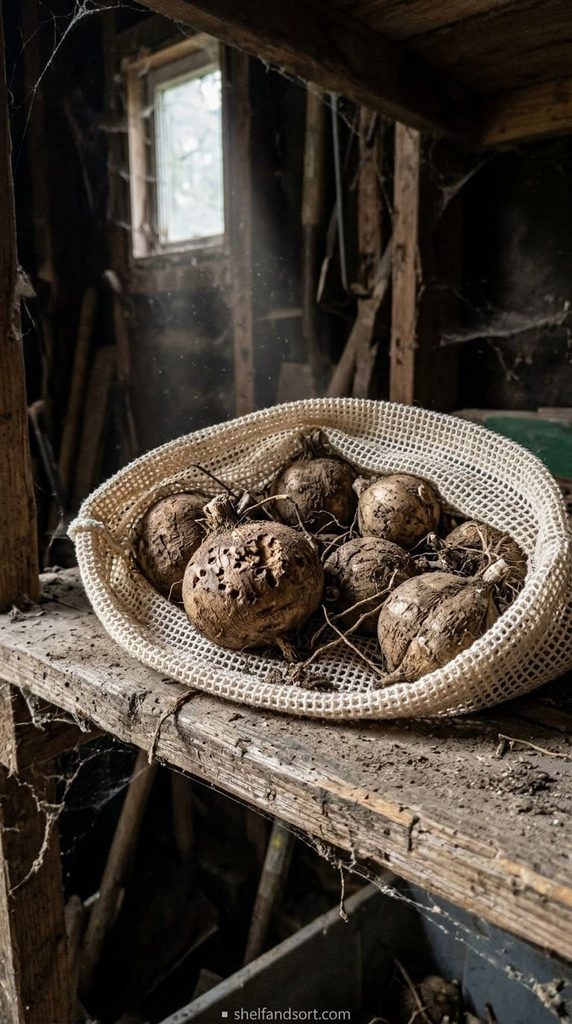
1. Fertilizer
Fertilizer feels like it belongs in the shed with the rest of the yard supplies. Horticulturists specifically call this one out as a fire risk, not just a quality issue.
Miranda Niemiec, operations manager at Great Garden Plants, says not to keep fertilizer in a hot enclosed area like a shed, since spontaneous combustion becomes possible once temperature and moisture both climb. Organic fertilizers carry an added problem, since pests find the material itself edible and move in to eat it.
Do this: store fertilizer in a cool, dry garage shelf or a utility closet, sealed in its original bag or a rodent-proof bin.

Put the sensor in the shed and read the high and low from inside the house. That real number tells you whether your specific shed is hitting the freezing or 90-plus-degree range that damages chemicals and batteries.
Shop NowThis post contains affiliate links. We may earn a commission on qualifying purchases at no extra cost to you.
Common mistake: stacking half-used fertilizer bags directly on a shed floor near a window that gets afternoon sun. That combination of heat and any dampness in the bag is exactly the risk Niemiec describes.
Short on time: move the largest bags first, since they hold the most material and represent the biggest risk if conditions turn.
Bookmark tip: buy fertilizer in the size you will use in one season rather than bulk. A smaller bag is easier to store somewhere controlled and does not sit around building risk.
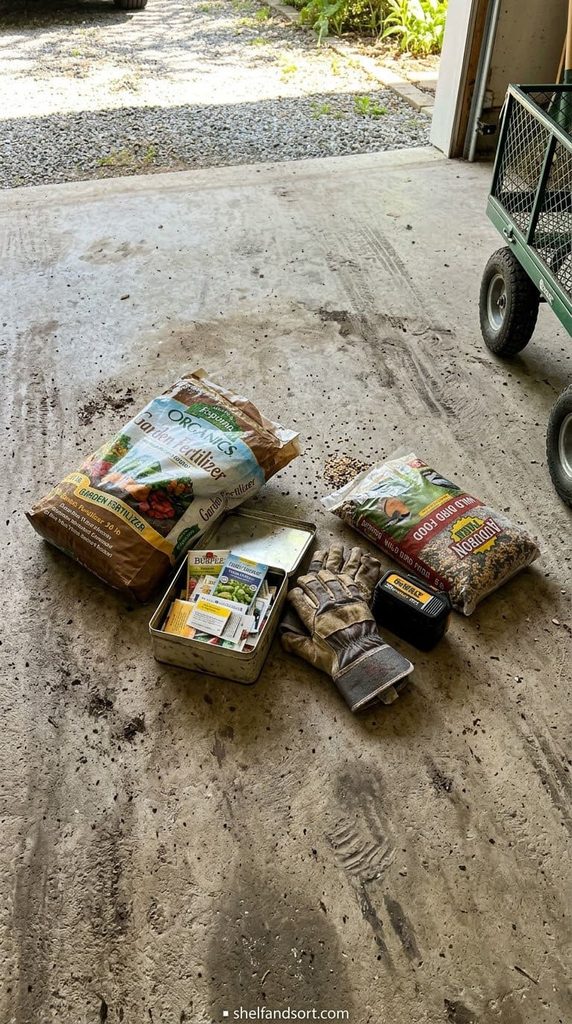
2. Seeds
Leftover seed packets feel like natural shed inventory since that is where the rest of the gardening gear lives. Seeds are one of the most fragile things on this list.
Costa Farms horticulturist Justin Hancock says he never keeps seeds in his own garden shed unless they are in a protected, rodent-proof container, and Niemiec adds that seeds need even temperatures with no humidity, since dampness molds them and heat above roughly 70 degrees spoils viability.
Do this: move seed packets into an airtight container indoors, a closet or a kitchen cabinet away from the stove works fine.
Common mistake: leaving seed packets loose in a cardboard box on a shed shelf. Cardboard offers zero pest barrier and no humidity control, the exact opposite of what seeds need.
Short on time: grab any seed you specifically saved for next season first, since that is the one you cannot simply rebuy if it molds.
Bookmark tip: label the container with the year, since most vegetable seeds lose real viability after two to three years even under good storage.
3. Pesticides and other garden chemicals
Weed killer, insect spray, and similar chemicals feel at home next to the rest of the yard supplies. Chemistry does not care that it is convenient.
Most pesticide labels call for storage between 40 and 90 degrees Fahrenheit, and Oregon State University Extension’s guidance cited above explains that freezing can separate active ingredients from their solvents while heat can melt plastic containers or cause the product to volatilize. A shed hits both extremes in most climates.
Do this: store chemicals in a locked cabinet inside the garage or house at a steady room temperature, away from anything that could ignite.
Common mistake: assuming an unopened container is protected the same way an opened one is not. Temperature swings affect the sealed product too, just more slowly.
Variant note for kids and pets: a locked cabinet is not optional here. Chemicals stored in an accessible shed are within reach of a curious kid or a dog far more easily than a locked garage cabinet.
Bookmark tip: check the label’s storage temperature range specifically. Some products list a narrower window than the general 40 to 90 degree rule, and the label overrides the general guidance.
4. Paint and solvents
Leftover deck stain or a can of exterior paint seems like shed inventory by default. Paint reacts to a shed’s temperature swings the same way it does in a garage, just harder.
Cold freezes water-based paint into an unusable curdled texture, and heat dries out and thickens the solvents in oil-based paint and stain faster than an insulated space would. Darla DeMorrow, owner of HeartWork Organizing, points out that household latex paint dries out fast when kept outside in an uninsulated structure like a shed.
Do this: move paint and solvents to a basement shelf or an interior closet, sealed and upright.
Common mistake: storing paint on a shed’s top shelf near the roofline, the hottest spot in the structure during summer afternoons. Keep it low and away from any exterior wall that gets direct sun.
Short on time: move the paint you will actually use again first. A dried-out sample can from a color test years ago is not worth the trip.
Bookmark tip: write the room and the date on the lid before it goes into storage, so a future you does not have to open every can to find the right match.
5. Potting soil and mulch bags
A stack of potting soil bags feels efficient to keep right where you use it. Bagged soil is more fragile than it looks once it sits for a season.
Soil left in a shed attracts pests looking for the organic material, molds in humidity, and compacts into a hard, unusable block if it sits through a wet season unopened.
Do this: keep a season’s worth of potting soil on a garage shelf, in a sealed bin rather than the paper bag it came in.
Common mistake: buying soil in bulk at a spring sale and storing the excess in the shed for a year or more. Buy closer to what you will use in one growing season instead.
Variant note: mulch handles shed storage slightly better than potting soil, since it is meant to break down, but it still molds fastest in a damp, enclosed corner. Keep it against an exterior wall with some airflow if it must stay.
Bookmark tip: transfer opened bags into a lidded bin as soon as you break the seal. An open paper bag is a humidity sponge from that point on.
6. Dormant bulbs and tubers
Dahlias, gladiolus, and other bulbs you dig up each fall feel like a natural fit for shed storage over winter. This is one of the items horticulturists flag most specifically.
Hancock warns that fluctuating shed temperatures are a real problem for summer-flowering bulbs stored dormant, since the swings can rot them or trigger early sprouting, and bulbs also attract rodents looking for an easy meal.
Do this: store dormant bulbs in a cool, dark, pest-proof spot indoors, a basement or an unheated but insulated closet works well, packed loosely in dry peat moss or vermiculite.
Common mistake: leaving bulbs in an open mesh bag on an accessible shed shelf. That is an open invitation for mice, and Hancock’s point about rodents applies directly here.
Short on time: move your most valuable or hardest-to-replace bulbs first, a rare dahlia variety over a common one you can easily rebuy.
Bookmark tip: check stored bulbs once a month through winter and remove any that have gone soft, since one rotting bulb can spread to the others nearby.
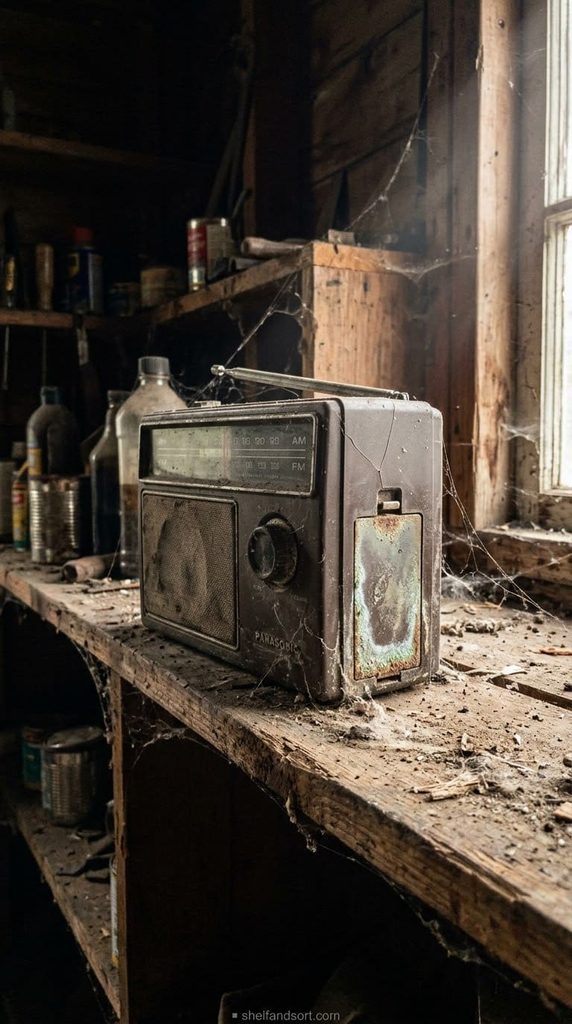
7. Power equipment batteries
The battery for a cordless mower, trimmer, or leaf blower often lives wherever the tool lives, which for a lot of households is the shed. Batteries are one of the most consistent items horticulturists call out.
Hancock says he keeps his mower battery out of the shed specifically because of exposure to excessive heat in warm climates or excessive cold elsewhere, and both extremes shorten a battery’s life or damage it outright. Lithium batteries in particular lose capacity in the cold and can be permanently damaged if charged below freezing.
Do this: bring batteries inside, to a garage shelf or a closet that stays 40 to 70 degrees, and let a cold battery warm up before charging it.
Common mistake: leaving the battery installed in the tool over winter because it is easier than removing it each time. Pull it out and store it separately.
Short on time: grab the battery, not the tool. The bare mower or trimmer handles shed storage fine without it.
Bookmark tip: store batteries at a partial charge rather than full or empty for the off-season, which most manufacturers say extends the pack’s overall lifespan.
8. Gasoline and fuel for lawn equipment
A gas can for the mower or trimmer feels like it obviously belongs in the shed with the equipment it fuels. Gasoline in an enclosed structure is a fire risk regardless of how organized the shed is.
Vapor buildup in an unventilated space raises the risk of ignition from something as small as a spark off a metal tool, and summer heat increases the vapor pressure inside the can itself.
Do this: store gasoline outside the shed in an approved, vented container, away from the house and any ignition source, ideally in a detached spot built for it.
Common mistake: keeping a gas can right next to a power tool charging station in the same small structure. Fuel and anything that sparks or heats up should never share a space that size.
Variant note: this applies to any small-engine fuel, string trimmers and chainsaws included, not just the mower can.
Bookmark tip: buy fuel stabilizer for gas you are storing more than a month, which keeps it usable and reduces the varnish buildup that gums up small engines.
9. Gardening gloves and other fabric gear
Gloves, knee pads, and sun hats feel like they belong exactly where you use them. Fabric in a shed is an invitation, not just a storage risk.
Hancock says plainly that he keeps his gardening gloves out of the shed because he does not want pests finding them, and soft fabric is exactly the material mice look for to build a nest.
Do this: hang gloves and fabric gear on a hook inside the garage or house, or store them in a sealed bin if they must stay near the shed.
Common mistake: tossing damp gloves into a shed corner after a day of gardening. Wet fabric left in a dark, undisturbed spot is close to ideal mold and mildew conditions.
Short on time: at minimum, shake out and hang gloves to dry before they go anywhere, even a sealed bin, so you are not sealing in moisture.
Bookmark tip: a small tin with a couple of cedar blocks tucked into the glove storage bin discourages both moths and mice without any chemicals.
10. Pet food, bird seed, and anything that smells like food
A bag of birdseed for the feeder or extra pet food bought in bulk seems harmless in a shed built for storage. This is the single biggest reason rodents move into a shed in the first place.
Any food-smelling material draws mice and other pests from well beyond the shed’s immediate area, and once they are in, they do not stay confined to the food. They chew through seed packets, fabric gloves, and wiring insulation on any stored equipment.
Do this: store pet food and bird seed in a sealed metal or heavy plastic bin indoors, in a garage or a mudroom, never loose in the shed.
Common mistake: storing bulk bags in their original paper packaging “to save space” by leaving them in the shed. Paper is not a rodent barrier at all, transfer to a hard-sided container immediately.
Variant note for households with kids: if kids fill the bird feeder, keep the seed bin somewhere they can reach without going into the shed alone, a garage shelf at their height works well.
Bookmark tip: a metal bin specifically beats heavy plastic here, since mice can chew through plastic given enough time and motivation, but not through metal.
11. Electronics you plan to use again
A spare radio, an old power drill’s charging dock, string lights with electronic timers. Anything with a circuit board struggles in a shed the same way it does in a garage or attic.
Temperature swings and the higher humidity common in an uninsulated shed corrode contacts and can crack plastic housings over a season or two, and condensation forms when a cold device is carried into a warmer space.
Do this: keep electronics you plan to reuse in a closet or spare room inside, not in the shed even temporarily.
Common mistake: leaving a device plugged in on a shed outlet “for convenience.” A shed outlet near dampness and pests is a worse electrical risk than almost anywhere else on the property.
Short on time: anything with a screen or a rechargeable battery comes inside first. A box of extension cords can wait.
Bookmark tip: if a device has spent real time in the shed, let it sit unplugged in a dry room for a few hours before powering it on, so any trapped moisture clears first.
What is actually fine to keep in a garden shed
The point is not to empty the shed. Plenty of things are built for exactly this environment.
Hand tools, most power tool bodies with the battery removed, hoses, empty pots and trays, wheelbarrows, and hardware like screws and brackets all tolerate shed conditions fine. Outdoor furniture cushions rated for weather exposure and tarps do too.
The test is the same two questions from the top. Does it depend on stable temperature or dry conditions, and does it smell like food or offer nesting material to a pest. If both answers are no, the shed can hold it.
The seasonal shed sweep, your maintenance rule
The whole problem is timing, the same as a garage or attic. People notice the damage in spring, after a winter of freeze-thaw and rodent activity nobody caught early.
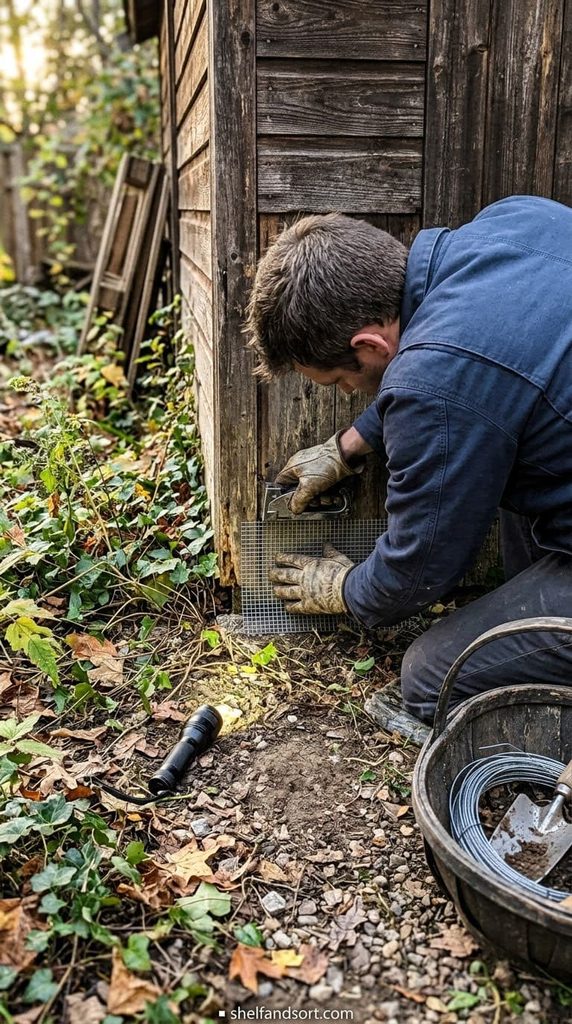
Set a reminder for early fall, before the first hard freeze, and again in early spring before the growing season ramps up. Walk the shed with a flashlight and a basket, pull anything from this list that has crept in, and check for new gaps or rodent signs at the base of the walls.
It takes about 20 minutes each time. Seal any new gap you find with hardware cloth or expanding foam while you are in there, since that single fix does more for pest prevention than anything you store or do not store.
Frequently asked questions
What should you never store in a garden shed?
Fertilizer, seeds, pesticides and other garden chemicals, paint and solvents, potting soil and mulch, dormant bulbs and tubers, power equipment batteries, gasoline, gardening gloves and other fabric gear, pet food and bird seed, and electronics you plan to reuse. Horticulturists point to two mechanisms behind most of the list: a shed’s extreme temperature swings, which degrade chemistry and freeze or overheat batteries, and its many entry points for rodents, which are drawn in by food and soft nesting material. Move temperature-sensitive items to a garage or interior closet, and anything food-scented to a sealed indoor container.
Why shouldn’t you store fertilizer in a shed?
Horticulturist Miranda Niemiec, operations manager at Great Garden Plants, warns that fertilizer in a hot, enclosed shed risks spontaneous combustion once temperature and moisture both climb high enough. Organic fertilizer adds a second problem, since pests find the material itself edible and move in to eat it. Store fertilizer in a cool, dry garage shelf or utility closet instead, sealed against both heat and rodents.
Can you store seeds in a garden shed?
Not safely, according to horticulturists. Costa Farms horticulturist Justin Hancock says he keeps seeds out of his own shed unless they are in a protected, rodent-proof container, since a shed’s humidity molds seeds and heat above roughly 70 degrees spoils their viability. Move seed packets to an airtight container indoors, a closet or a cabinet away from the stove works well.
Is it safe to store power tool batteries in a shed?
No, for the same reason it is unsafe in an unheated garage. Batteries lose capacity in the cold, and lithium batteries can be permanently damaged if charged below freezing, while heat degrades them from the other direction. Costa Farms horticulturist Justin Hancock specifically keeps his mower battery out of the shed for exactly this reason. Bring batteries inside and store them around 40 to 70 degrees.
Why do rodents get into garden sheds so often?
Sheds are usually uninsulated, built from thin panels with gaps at the base, roofline, and seams, giving mice far more entry points than a sealed garage wall. Anything that smells like food, pet food, bird seed, or even fertilizer, draws them in from well beyond the shed’s immediate area, and once inside they chew through fabric, seed packets, and wiring insulation on stored equipment. Sealing gaps with hardware cloth and keeping food-scented items out entirely are the two most effective fixes.
Products We Recommend
This post contains affiliate links. We may earn a commission on qualifying purchases at no extra cost to you.
AcuRite 02049 Indoor/Outdoor Wireless Thermometer
Put the sensor in the shed and read the high and low from inside the house. That real number tells you whether your specific shed is hitting the freezing or 90-plus-degree range that damages chemicals and batteries.
Shop Now
IRIS USA WeatherPro 19-Quart Gasket-Lid Storage Bins, 6-Pack
For the items that genuinely can stay in the shed, hardware, spare pots, off-season tools, the gasketed lid keeps out the humidity and closes off an easy rodent entry point that an open shelf or paper bag never could.
Shop now
Eva-Dry E-333 Wireless Mini Dehumidifier
A small renewable unit with no cord and no tank to empty, good for a shed corner where you need to knock down humidity for whatever has to stay.
Shop now